Making Insurance Simple, One Insight at a Time.


2026 Health Insurance Guide: Exposing 7 Costly Coverage Mistakes
Stop losing money on hidden medical fees. This 2026 Health Insurance Guide breaks down PPO vs. HMO networks, deductibles, and affordable plan choices.
Quick Summary
Navigating the complex landscape of medical coverage requires a clear, comprehensive health insurance guide. What is health insurance? It is a fundamental financial contract that protects you from unexpected, exorbitant medical bills by sharing healthcare costs between you and your insurer.
Whether you are asking how do I decide which health insurance is best for me, evaluating options during open enrollment, or seeking the best affordable health insurance in the USA, understanding premiums, out-of-pocket costs, and provider networks is essential. This guide breaks down how a health insurance network works, compares major plan types, reviews specialized policies, and provides clear steps for managing claims, offering an easy way to understand health insurance from start to finish.
Table of Contents
Table of Contents
1. Health Insurance Basics: How It Works & Legal Requirements
1.1 What Is Health Insurance and How Does It Work?
If you are searching for an easy way to understand health insurance, starting with core concepts is helpful. What is health insurance? It is a legally binding contract between an individual and an insurance carrier. In exchange for regular monthly premium payments, the insurer agrees to pay a portion of your covered medical expenses.
How does health insurance work in practice? When you visit a doctor, clinic, or hospital, the care facility bills your insurance company for the medical services provided. Rather than paying the entire invoice out of pocket, your insurance policy covers a significant percentage of those costs based on your specific plan tier. You remain responsible only for designated cost-sharing amounts, such as copays or deductibles. This financial arrangement prevents routine care or unexpected medical emergencies from turning into life-altering debt.
1.2 Legal Mandates: Is Health Insurance Required by Law?
Many consumers ask, is health insurance required by law? At the federal level in the United States, the individual mandate tax penalty was reduced to zero in 2019. This means there is no longer a federal tax fine for remaining uninsured.
However, several individual states have instituted statewide coverage mandates requiring residents to maintain qualifying healthcare coverage or pay a state tax penalty. To understand state-level rules and avoid unexpected fines during tax season, review Is It Illegal to Not Have Health Insurance? Best 2026 Guide. Regardless of mandate status, maintaining USA health insurance remains a fundamental safeguard for long-term financial security.
2. Coverage & Networks: Understanding PPOs, HMOs, and PHCS
2.1 Health Insurance Networks: PPO vs HMO
Having a health insurance network explained clearly is vital because your plan’s structure dictates which doctors you can see and how much you pay for care. A health insurance network is a designated group of doctors, hospitals, specialists, and facilities that have signed agreements with an insurance provider to deliver services at discounted rates.
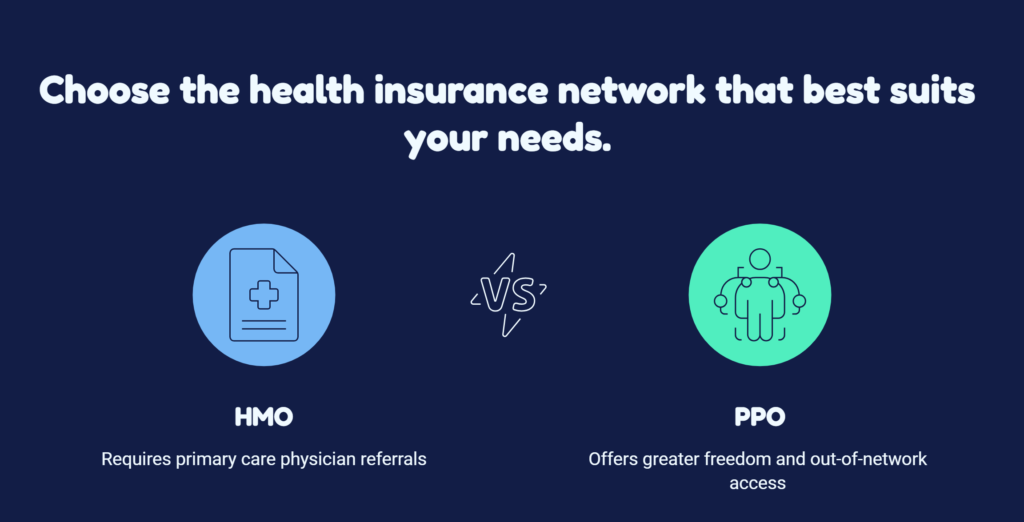
When choosing coverage, a major consideration is comparing PPO vs HMO plan structures. A Health Maintenance Organization (HMO) requires you to choose a primary care physician who manages your overall care and issues official referrals before you can visit specialists. Conversely, a Preferred Provider Organization (PPO) offers greater freedom, allowing you to see specialists or out-of-network providers without needing a primary care referral.
2.2 In-Network vs Out-of-Network Providers
The financial impact of in-network vs out-of-network providers is significant. In-network providers have pre-negotiated discounted rates with your insurance provider, which keeps your out-of-pocket responsibility lower.
Out-of-network providers do not have contracted rates with your carrier. As a result, your insurance plan may cover a much smaller percentage of the bill or deny coverage entirely, leaving you responsible for the remaining balance. For example, HMO plans generally offer no coverage for out-of-network care except during life-threatening emergencies. If you hold coverage with a major network provider like Anthem, reviewing Avoid Costly Anthem Insurance Mistakes: Complete 2026 Guide can help you stay within approved provider networks.
2.3 What Does PHCS Mean in Health Insurance?
Consumers frequently ask, what does PHCS mean in health insurance? PHCS stands for Private Healthcare Systems, which is one of the largest independent PPO networks in the United States.
Many regional carriers, third-party administrators, and independent plans lease access to the PHCS network to offer their members discounted care across a national network of medical providers. If your insurance card features the PHCS logo, you have access to their contracted doctors and facilities. To learn how to verify participating doctors and optimize your coverage, read What Is PHCS Insurance? Ultimate Guide to the PPO Network.
3. Cost Factors: Premiums, Deductibles, and Uninsured Expenses
3.1 Breakdown of Health Insurance Costs and Out-of-Pocket Limits
Understanding overall health insurance cost requires looking beyond the monthly premium. You must also account for out-of-pocket costs, which include deductibles, copayments, and coinsurance fees paid when receiving care.
What is a deductible in health insurance? It is the pre-set dollar amount you must pay for covered medical services each year before your insurance provider begins contributing to your costs. For example, what does 5000 deductible mean? It means you pay the first $5,000 of covered medical expenses out of pocket before your insurer begins sharing costs.
Taxpayers often ask, is health insurance 100% deductible? Self-employed individuals may deduct 100% of their health insurance premiums on federal tax returns under specific IRS guidelines, though individual care deductibles must still be met for policy coverage.
Additionally, what is a copay in insurance? A copay is a flat fee paid at the time of service, such as $25 for an office visit. Once your deductible is met, policies often apply the 80/20 rule in health insurance, where the insurer covers 80% of covered medical costs while you pay the remaining 20% until reaching your annual out-of-pocket maximum.
Even with these cost-sharing obligations, enrollment in health coverage remains high nationwide. According to the Centers for Medicare & Medicaid Services (CMS), a record 24.2 million consumers selected health coverage through the Health Insurance Marketplace during the 2025 open enrollment period. You can review the official report details at Medicare & Medicaid Services (CMS).
| Cost Element | Definition & How It Works |
|---|---|
| Premium | Fixed monthly fee paid to keep insurance active. |
| Deductible | Amount paid out of pocket before coverage begins. |
| Copayment (Copay) | Fixed flat fee paid at time of service (e.g., $30). |
| Coinsurance (80/20 Rule) | Percentage of costs shared after meeting deductible. |
| Out-of-Pocket Maximum | Most you pay in a year before 100% care is covered. |
3.2 Dental Procedure Costs Without Insurance
Lacking coverage for specialized dental care can lead to high unexpected expenses. The total dental procedure cost without insurance varies based on procedure complexity, geographic location, and clinical fees. Routine preventive care may be manageable, but restorative treatments like crowns, root canals, or implants can create sudden financial hardship. If you require a tooth restoration, exploring Single Tooth Implant Cost Without Insurance: Avoid Costly Surprises will give you a clear breakdown of potential out-of-pocket expenses.
3.3 How Much Do Braces Cost Without Insurance?
Families often ask, how much do braces cost without insurance? Comprehensive orthodontic treatment typically ranges between $3,000 and $7,000 without insurance coverage, depending on whether traditional metal brackets, ceramic braces, or clear aligners are used. To review payment options, state programs, and practical ways to manage orthodontic care costs, consult How Much Do Braces Cost Without Insurance? 2026 Cost Guide.
4. Choosing a Plan or Provider: Key Considerations and Reviews
4.1 How to Choose a Health Insurance Plan
Many consumers search forums for a health insurance guide reddit discussion to hear real experiences on selecting coverage. Whether you are learning how to choose health insurance on the open market or determining how to choose a health insurance plan from employer benefit packages, evaluating your healthcare needs is the first step.
To determine how to choose a health insurance plan, review your annual medical history, prescription drug needs, and household budget. Younger, healthy individuals often opt for high-deductible Bronze plans to secure the best individual health insurance for basic catastrophic protection. Individuals managing chronic health conditions typically benefit from Gold or Platinum plans that offer higher monthly premiums but significantly lower out-of-pocket costs at the point of care.
4.2 Evaluating Health Insurance Company Reviews
Reviewing independent health insurance company reviews helps ensure you select a carrier with responsive customer service and efficient claims processing. You want a provider that offers broad coverage for hospital visits, preventative care, and specialized treatment options.
Before committing to non-traditional or budget coverage options, evaluate carrier stability and terms carefully. Reviewing LifeX Health Insurance: Critical 2026 Risks & Hidden Plan Rules provides insight into potential plan limitations and coverage terms. Similarly, examining Balance Care Insurance Explained: Reviews, Costs and Coverage Guide helps clarify what specific benefits regional carriers provide.
4.3 Employer Options: Self-Funded vs Traditional Health Plans
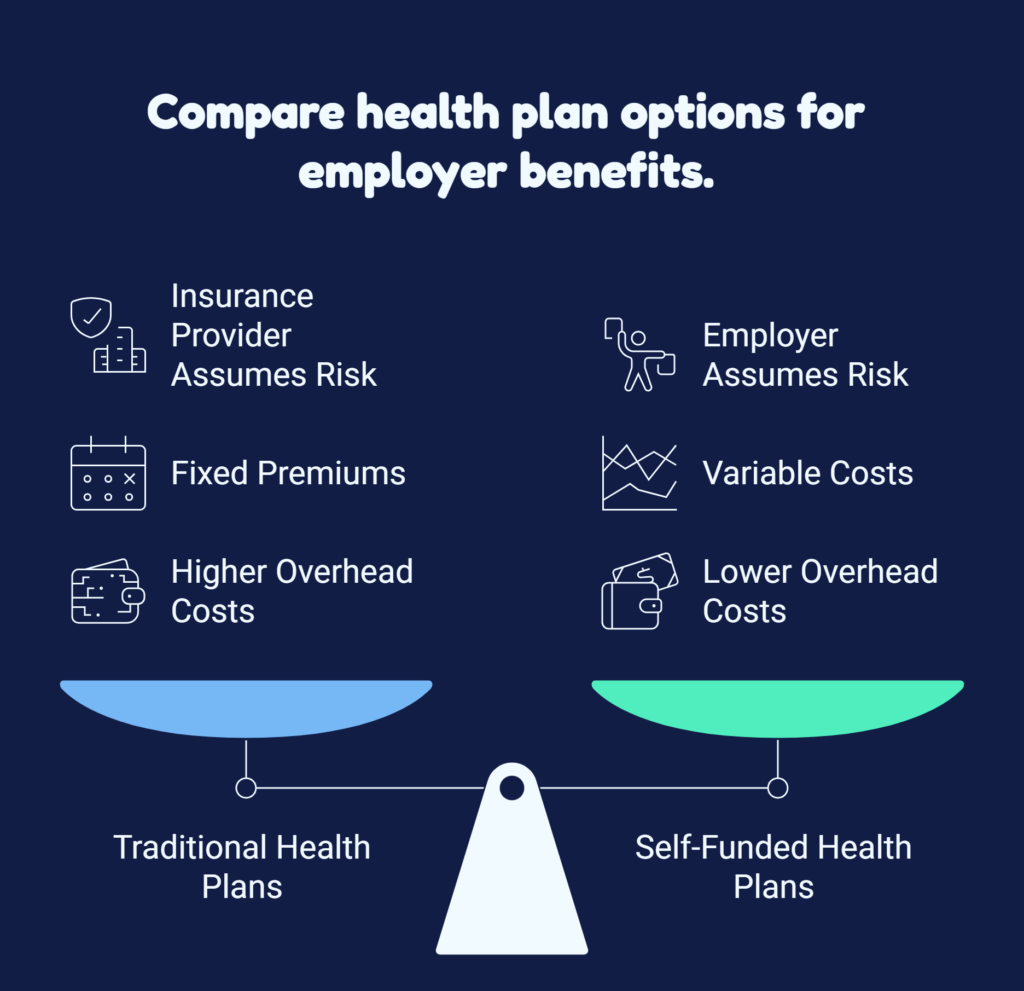
When evaluating employer health benefits, understanding self-funded vs traditional health plans clarifies how your medical claims are managed. In a traditional fully-insured plan, the employer pays fixed premiums to an insurance provider, which assumes all financial risk for paying employee medical claims.
In a self-funded plan, the employer assumes the financial risk directly, paying for employee healthcare claims out of company operating funds while hiring a third-party administrator to handle paperwork. Self-funding can lower overhead costs for companies with healthy employee populations, but carries financial exposure during high-claim years.
5. Special Situations: Long-Term Care, Alternatives, and ERISA Plans
5.1 Navigating Long-Term Care Insurance
Standard health policies and Medicare do not cover extended long-term care assistance, such as nursing home stays or daily in-home aid. Purchasing long-term care insurance helps safeguard retirement savings against the high costs of extended care facilities. However, policy terms and rate structures vary widely between insurers. Before selecting a provider, review Worst Long-Term Care Insurance Companies: Critical 2026 Risks to Avoid to avoid restrictive policies and unexpected premium increases.
5.2 Understanding Alternative Health Plans
For individuals seeking lower monthly premiums outside traditional insurance channels, alternative health plans have become an option. These alternatives include health-sharing ministries, short-term medical plans, and medical discount memberships. While these options may offer lower monthly rates, they do not fall under Affordable Care Act regulations. Consequently, they may exclude pre-existing conditions and limit total annual claim payouts, making careful contract review essential.
5.3 Corporate Healthcare: Self-Funded ERISA Plans
Large multi-state employers frequently utilize self-funded ERISA plans to standardize health benefits for their workforce. The Employee Retirement Income Security Act (ERISA) is a federal law that establishes minimum standards for voluntarily established benefit plans in private industry. Self-funded ERISA plans are federally regulated, exempting employers from varying state-level insurance mandates and allowing them to offer consistent coverage rules across all operational locations.
6. Claims & Legal Help: Navigating Denials and Liability
6.1 What to Do After a Denied Health Insurance Claim
Receiving a denied health insurance claim can be challenging, but denials can often be resolved through proper appeal channels. Common reasons for claim denials include billing code errors, lack of pre-authorization, or a determination that a treatment was not medically necessary.
If your claim is denied, you have the right to request an internal appeal with your insurance provider. If the internal appeal is upheld, you can request an independent external review through state regulatory authorities.
6.2 When to Hire a Disability Insurance Lawyer
If you face complex short-term or long-term disability claim denials while unable to work, consulting a disability insurance lawyer may be necessary. A disability insurance lawyer specializes in navigating complex insurance policies, gathering medical documentation, and representing claimants during appeal or court proceedings. To learn more about navigating disability claims, read Disability Insurance Lawyer: Guide to Claims & Appeals.
6.3 Professional Liability Insurance for Healthcare Providers
Healthcare workers must maintain adequate protection against potential malpractice claims. Professional liability insurance for healthcare providers covers legal defense fees, court costs, and settlement amounts if a professional negligence claim occurs.
Nurses and medical staff must ensure their liability limits adequately cover their clinical responsibilities. For detailed insights on policy structures and avoiding claim complications, explore HPSO Liability Insurance: Avoid Costly Claim Denials.
7. Frequently Asked Questions (FAQs)
What are the 7 main types of insurance?
The seven primary categories commonly recommended for personal risk management are health insurance, life insurance, auto insurance, homeowners or renters insurance, disability insurance, long-term care insurance, and umbrella liability insurance.
How much is a basic health insurance plan per month?
Monthly costs vary based on age, location, income, and plan selection. While marketplace plan rates vary, lower-income individuals may qualify for subsidies that reduce monthly premiums significantly. For those searching options under “I can’t afford health insurance and don’t qualify for Medicaid,” exploring community health centers or catastrophic health plans can offer affordable baseline options.
What options exist for free medical insurance for adults?
Individuals seeking free medical insurance for adults or coverage with low income typically look to Medicaid. Medicaid is a joint federal and state program providing comprehensive, low-cost or no-cost healthcare to qualifying individuals. Those who exceed Medicaid income thresholds may still qualify for premium tax credits that significantly lower monthly costs on the Health Insurance Marketplace.
How do I decide which health insurance is best for me?
To decide which health insurance is best for you, evaluate three main factors: your monthly budget, your typical medical needs (such as regular prescriptions or frequent specialist visits), and your preferred doctors. If you need maximum flexibility, a PPO is ideal. If you want the lowest premium and don’t mind staying strictly in-network, an HMO might be a better fit.
What is an easy way to understand health insurance plans on the Marketplace?
The easiest way to understand Marketplace plans is to look at the “metal tiers”: Bronze, Silver, Gold, and Platinum. Bronze plans have the lowest monthly premiums but the highest out-of-pocket costs when you need care. Platinum plans have the highest monthly premiums but pay the most toward your medical bills.
How to qualify for free health insurance?
Qualifying for free or nearly free health insurance generally depends on your household size and income. If your income falls below a certain threshold (usually 138% of the federal poverty level in states that expanded coverage), you qualify for free state Medicaid. Alternatively, you may qualify for Advanced Premium Tax Credits on the Marketplace that completely cover your monthly premium costs.
8. Conclusion
Selecting appropriate medical coverage requires understanding your health needs, comparing costs, and reviewing policy terms carefully. Whether you are navigating employer-sponsored coverage, evaluating marketplace plans, or reviewing network guidelines, staying informed helps prevent unexpected medical expenses. By utilizing this 2026 health insurance guide, evaluating deductible structures, and reviewing provider options, you can secure dependable health coverage that fits your budget and offers long-term financial peace of mind.
Disclaimer: The content on Insuria Insights is for general informational purposes only and does not constitute professional financial, medical, or legal advice. Health insurance policies, costs, and network regulations vary widely and change frequently. We are not licensed insurance brokers. Always consult a licensed insurance professional or your provider directly to verify specific plan details before making coverage decisions.