Making Insurance Simple, One Insight at a Time.

LifeX Health Insurance: Critical 2026 Risks & Hidden Plan Rules
Confused by LifeX health insurance? Read our 2026 guide to alternative ERISA self-funded group plans, provider networks, pre-existing conditions, and state rules.
Quick Summary
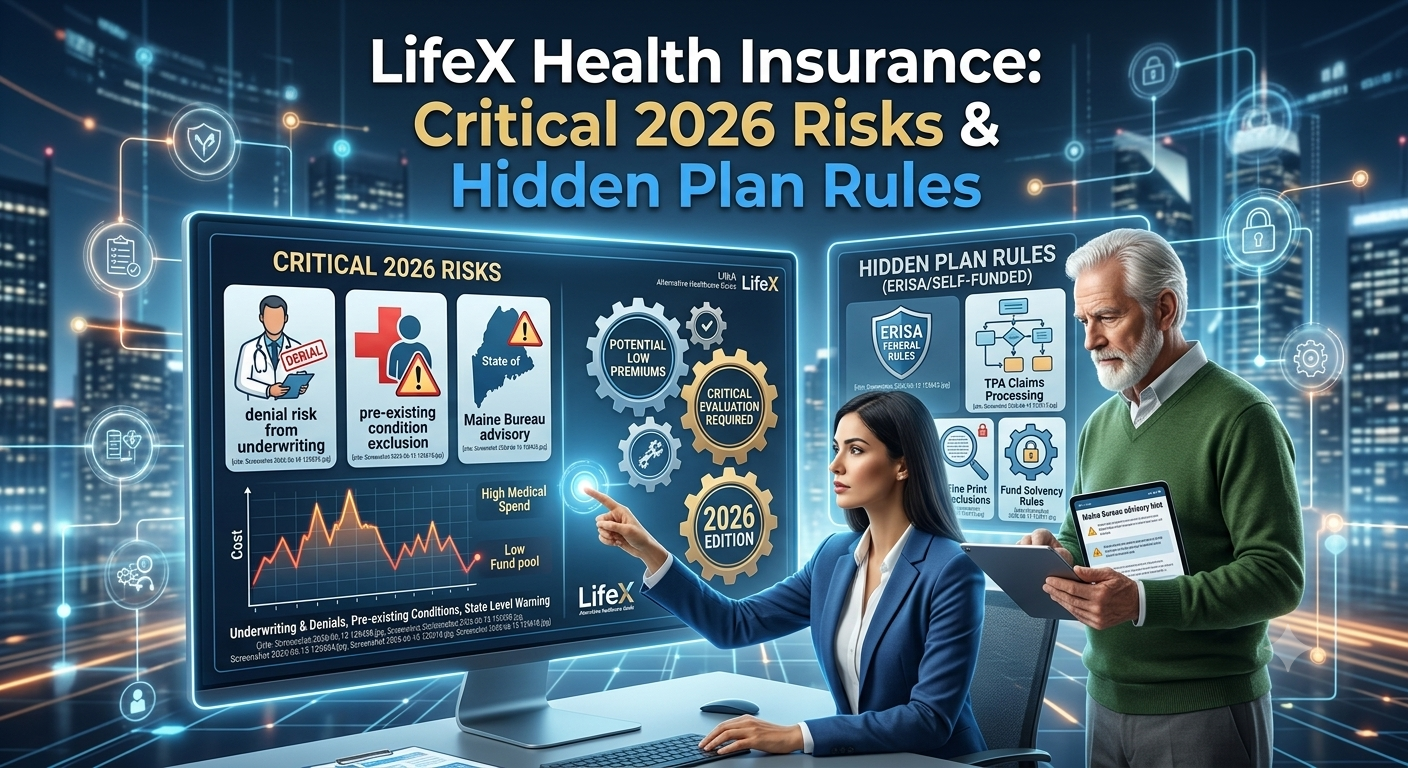
LifeX health insurance is not a traditional insurance company, but an alternative self-funded group health plan regulated under federal ERISA laws rather than state insurance departments. Individuals typically join LifeX Research Corporation as “Research Associates” to access these plans, which use established provider networks to potentially lower monthly premiums. However, because they operate outside standard Affordable Care Act (ACA) guidelines, these plans often require medical health assessments and may exclude coverage for pre-existing conditions. Prospective members must carefully evaluate their specific medical needs, as our platform provides strictly informational overviews and does not sell or endorse any policies directly.
Table of Contents
Table of Contents
1. What is LifeX Health Insurance?
If you are exploring the healthcare market, you may have seen advertisements or forum discussions regarding LifeX health insurance. It is vital to understand that LifeX itself is not a traditional insurance carrier. Instead, the entity functions by offering a self-funded group health plan to its participants.
The Research Associate Model
To qualify for coverage, individuals typically enroll as a “Research Associate” or a member of the LifeX corporate group. By becoming a nominal employee or group member, the individual gains access to the company’s internal health benefits. These benefits are often administered by third-party administrators (TPAs) who process claims using major national networks.
Key Distinctions from Major Medical
Unlike conventional health insurance companies that underwrite their own risk and are tightly regulated by individual state insurance commissioners, the LifeX model relies on a collective pool of funds generated by its members. This allows the organization to bypass some of the state level mandates that drive up the costs of standard ACA policies, though it also removes several consumer protections.
2. The Mechanics of Self-Funded Group Health Plans
To grasp how a program like LifeX operates, you must look at the legal framework governing self-funded health plans.
The Role of ERISA
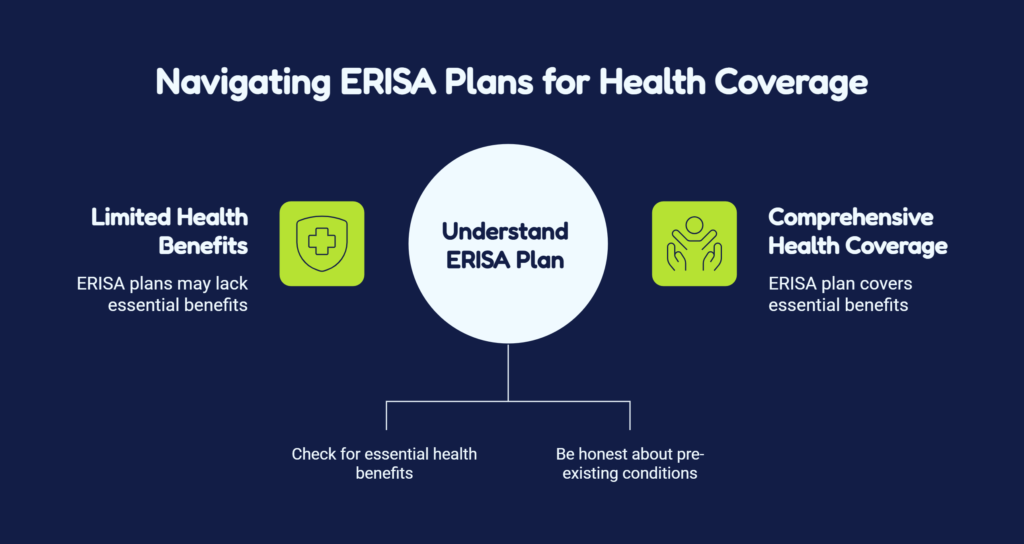
Most employer sponsored self-funded plans fall under the Employee Retirement Income Security Act (ERISA). ERISA is a federal law that sets minimum standards for most voluntarily established pension and health plans in private industry. Because ERISA is a federal statute, it preempts many state insurance laws. This means an ERISA plan does not necessarily have to offer the “Essential Health Benefits” mandated by the ACA, such as comprehensive maternity care or mental health coverage, depending on how the specific plan is drafted.
Medical Underwriting and Pre-existing Conditions
One of the most critical aspects of joining an alternative group plan is the application process. Traditional ACA plans guarantee issue coverage, meaning you cannot be denied for a pre-existing condition. Conversely, alternative ERISA group plans often require a detailed health assessment before enrollment. If you misrepresent your medical history or fail to disclose a pre-existing condition, the plan administrator may legally refuse to cover associated claims.
3. Navigating Reviews, Approvals, and Regulatory Advisories
Because LifeX operates outside the traditional state-regulated insurance sphere, consumer experiences and regulatory perspectives vary significantly.
Consumer Experiences and Network Access
Online discussions reveal a mix of experiences. Some users report seamless functionality, noting that their plan uses reputable third-party administrators and grants them access to extensive preferred provider organizations (PPOs). For healthy individuals who successfully pass the initial medical screening, the reduced monthly cost can be highly appealing.
State Regulatory Warnings
On the other hand, several state authorities, such as the Maine Bureau of Insurance, have issued public advisories regarding unlicensed health insurance marketers selling LifeX plans. State regulators often warn consumers that because these plans are not licensed major medical policies in their jurisdiction, state agencies have limited power to intervene if a claim is denied or if the fund becomes insolvent.
4. Comparing Traditional ACA Coverage vs. Alternative Models
When deciding how to protect your health and finances, weighing the pros and cons of traditional insurance against alternative models is essential.
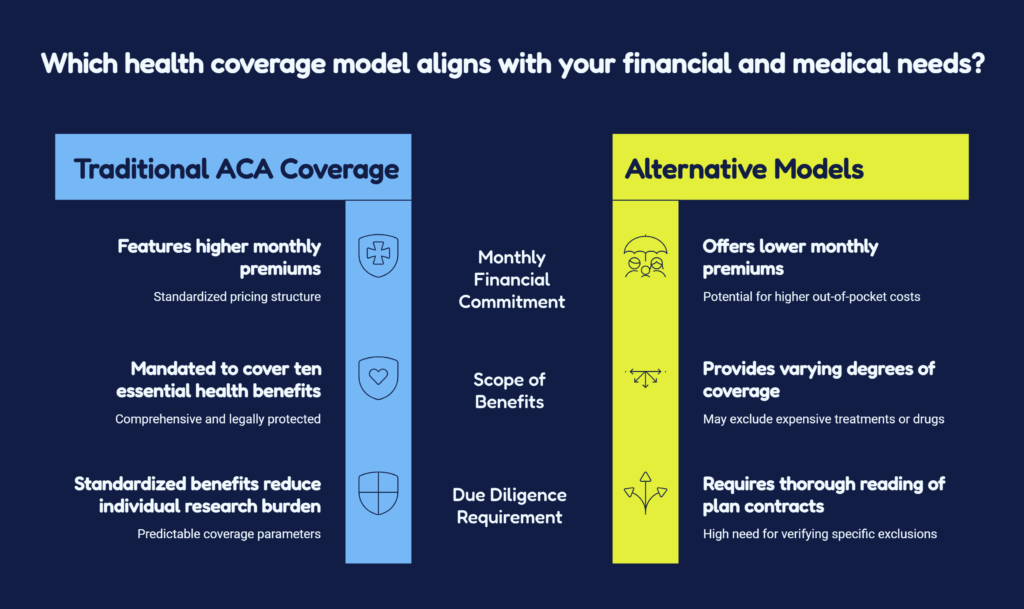
- Cost: Alternative models often offer lower monthly premiums, but you must factor in potential out-of-pocket maximums and specific exclusions.
- Coverage Scope: ACA plans cover ten essential health benefits by law. Self-funded group plans offer varying degrees of coverage and may exclude certain expensive treatments or prescription drugs.
- Risk Tolerance: Relying on a non-traditional plan requires a thorough reading of the summary of benefits. Just as drivers rely on The Insure 90 Guide: Road Safety, Documentation, and US Insurance Eligibility to fully understand the risks associated with highway transit and proper legal documentation, patients must diligently verify exactly what their health plan contract entails before an emergency strikes.
5. Frequently Asked Questions (FAQs)
Is LifeX a traditional insurance company?
No. LifeX generally operates a self-funded group health plan regulated under federal ERISA laws, meaning it does not function as a standard, state-licensed major medical insurance carrier.
Will alternative group plans cover my pre-existing conditions?
It depends entirely on the specific plan document. Many self-funded alternative plans require medical underwriting and may deny enrollment or exclude coverage for pre-existing conditions, unlike standard ACA plans.
What is a third-party administrator (TPA)?
A TPA is an organization that processes insurance claims or certain aspects of employee benefit plans for a separate entity. Self-funded plans often hire TPAs to handle the daily administrative tasks of managing the network and paying providers.
Why do some state insurance bureaus issue warnings about these plans?
State bureaus issue warnings to ensure consumers understand that these products are not regulated under state consumer protection laws. If a dispute arises over an unpaid medical bill, the state insurance commissioner may not have the jurisdiction to assist the consumer.
Can I use my current doctor with a self-funded group plan?
You will need to check the specific network utilized by the plan’s administrator. Many alternative plans contract with large national PPO networks, but it is your responsibility to verify that your preferred providers are in-network before seeking treatment.
Alternative plans like this one come with trade-offs worth understanding in context. Our 2026 Health Insurance Guide: Exposing 7 Costly Coverage Mistakes covers how these options compare to traditional coverage.
6. Conclusion
Exploring options like a LifeX health insurance structured group plan reveals the growing complexity of the modern American healthcare market. While joining a self-funded ERISA plan as a group member can provide financial relief through lower premiums, it also shifts a significant amount of risk and responsibility onto the consumer. Before leaving a traditional, state-regulated health insurance policy, it is crucial to carefully review the plan documentation, understand the limitations regarding pre-existing conditions, and acknowledge the lack of traditional state-level consumer protections.
(Disclaimer: This blog post is designed exclusively for educational and informational purposes to help you understand the broader US insurance landscape. We do not sell health insurance policies, nor do we provide direct financial or legal counsel. Always consult with a licensed insurance broker or healthcare advisor before making changes to your medical coverage.)