Making Insurance Simple, One Insight at a Time.

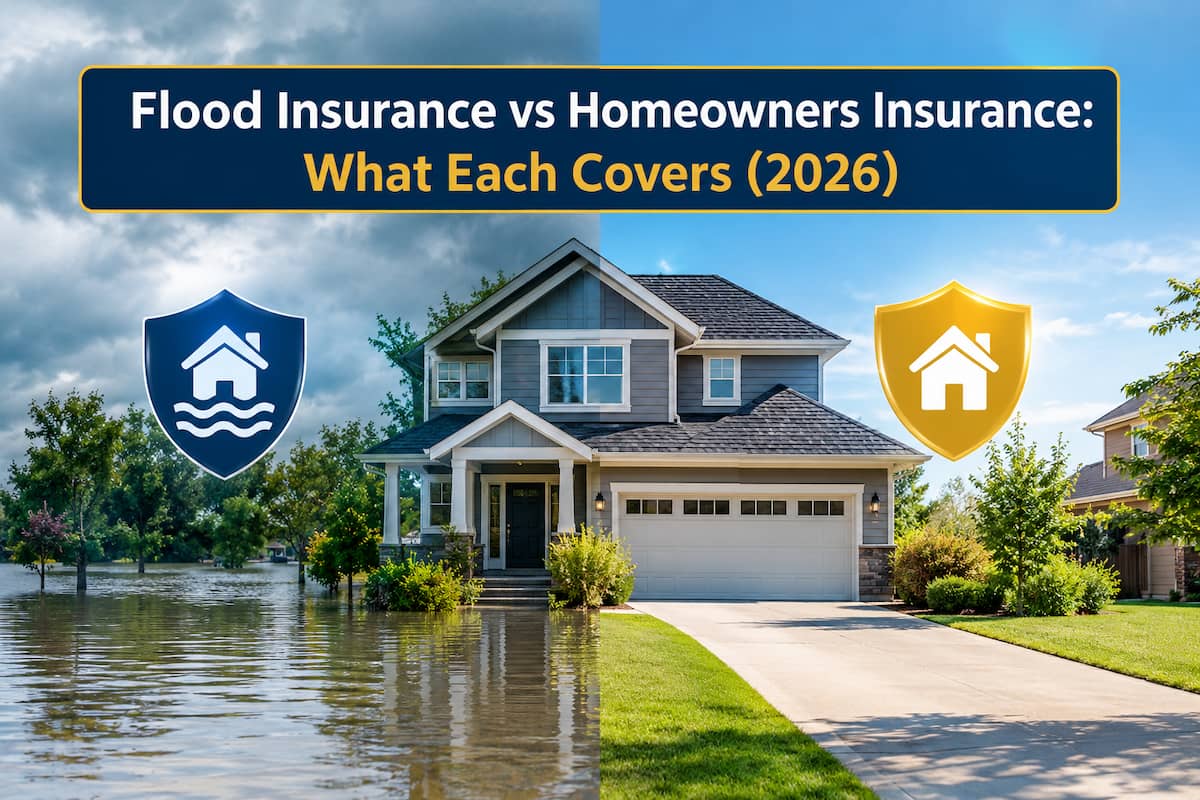
Flood Insurance vs Homeowners Insurance: What Each Covers (2026)
Flood insurance vs homeowners insurance: a standard home policy does not cover flood. See what each covers, NFIP limits, waiting periods and who needs it.
Quick Summary
Flood insurance vs homeowners insurance comes down to one fact: the National Association of Insurance Commissioners (NAIC) says a standard homeowners policy does not cover flood damage. Flood needs its own policy, either through the National Flood Insurance Program (NFIP), which FEMA manages, or from a private insurer. NFIP limits for a home are $250,000 for the building and $100,000 for contents, bought separately, and coverage usually starts after a 30-day wait.
Your homeowners policy still matters, because it handles fire, theft, liability and other losses that a flood policy is not built for. This flood insurance vs homeowners insurance guide explains what each policy covers, who needs flood coverage, how it is priced, and how to buy it.
Table of Contents
Table of Contents
1. Flood Insurance vs Homeowners Insurance: The Core Difference
Flood insurance vs homeowners insurance is not an either-or choice, because the two policies protect against different events. A homeowners policy covers losses such as fire, theft and wind damage. The NAIC’s flood insurance page is blunt about the gap: “The damage from a flood is not covered under a standard homeowner’s policy.” FEMA’s brochure on the National Flood Insurance Program says the same thing in plain words, that most homeowners insurance does not cover flood damage, so rising water is covered only if you buy a separate flood policy.
| What to compare | Homeowners insurance | Flood insurance |
|---|---|---|
| Flood from storms, rivers or heavy rain | Not covered under a standard policy | Covered, this is its purpose |
| Water from a broken pipe | Many policies may cover it; check your wording | Not the purpose of the policy; ask your insurer |
| Limit for the building | Set by the dwelling limit you choose | NFIP: up to $250,000; private policies may offer more |
| Limit for belongings | Set by the personal property limit you choose | NFIP: up to $100,000, bought separately |
| Who sells it | Home insurers | NFIP (managed by FEMA) and private insurers |
| When coverage starts | When your policy takes effect | NFIP: usually after 30 days, with exceptions |
Sources: NAIC, “Flood Insurance” (content.naic.org); FDIC, “Prepare Your Finances to Weather the Storm” (August 2020, updated August 2023); FEMA, NFIP consumer brochure (July 2018). Limits and rules can change, and private policies differ.
The table shows the practical split in flood insurance vs homeowners insurance, row by row. Use it as a starting point, then read your own policy, because wording differs by insurer.
Flood Damage vs Other Water Damage
The line between flood and other water damage trips up many homeowners. The FDIC notes that many homeowner policies might cover water damage from broken pipes, but not flood damage from natural events or disasters. In practice, a pipe that bursts inside your house is usually a homeowners claim, while a river or heavy rain pushing water into your house is a flood claim. Many standard policies also exclude sewer or drain backup unless you add an optional endorsement, so ask your insurer exactly how your policy treats it.
2. What a Homeowners Policy Covers and Leaves Out
When people compare flood insurance vs homeowners insurance, they often forget how much a homeowners policy does. It typically covers the structure of your house, other structures on the property such as a garage or fence, your personal belongings, your liability if someone is hurt on your property, and extra living costs if a covered loss makes your home unlivable. You choose the limits, so the declarations page of your policy shows what you actually have.
What It Usually Excludes
A homeowners policy commonly excludes flood and earthquake damage, along with normal wear and tear. That is why a house can be fully insured and still have no protection against rising water. If you are not sure what your policy leaves out, ask your insurer for the exclusions section in writing.
Why You Still Need It
In the flood insurance vs homeowners insurance question, the homeowners policy is the foundation and flood coverage is an add-on, not a replacement. A flood policy is built around damage from flooding, so it will not stand in for the fire, theft and liability protection your homeowners policy provides. Our Ultimate 2026 Home Insurance Guide: Best Protection Tips explains how the main parts of a home policy fit together.
3. What Flood Insurance Covers
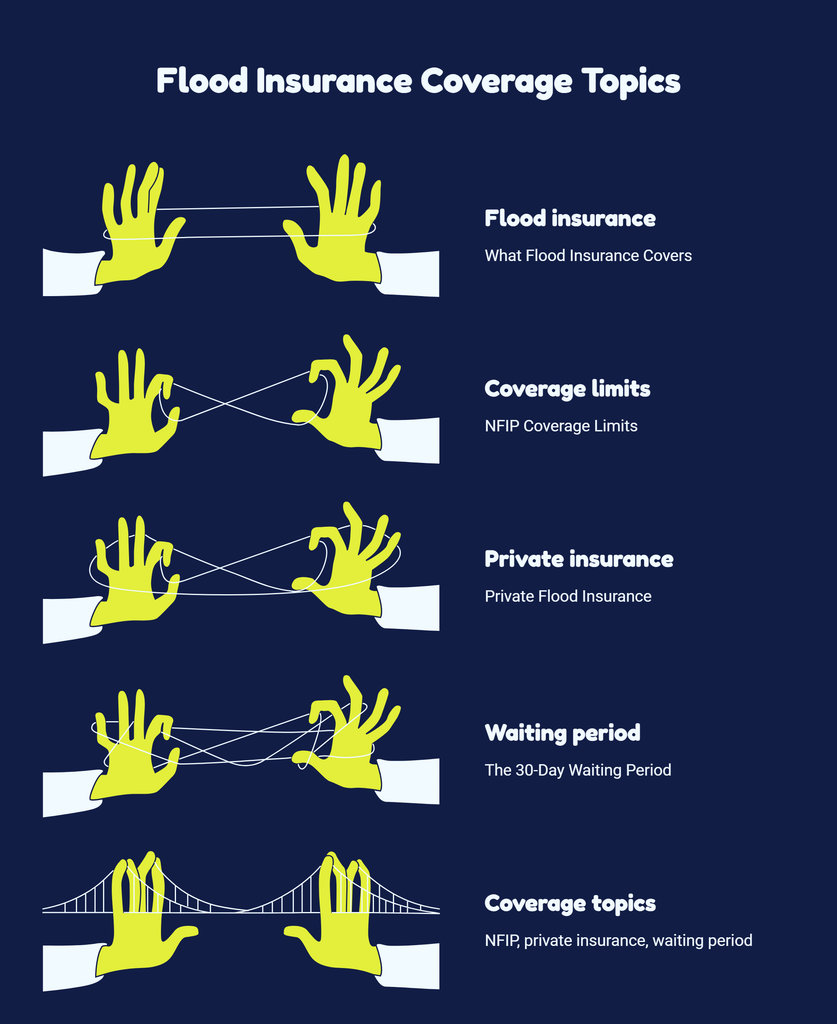
On the flood insurance vs homeowners insurance question, the flood side covers physical damage caused by flooding. The NAIC explains that NFIP flood policies are federally backed and available to homeowners, renters and businesses, with FEMA managing the program. Private insurers also sell flood policies, so flood insurance vs homeowners insurance is not the only comparison to make: you may also compare NFIP and private flood coverage.
NFIP Coverage Limits
According to the FDIC, NFIP coverage limits are $250,000 for the building and $100,000 for the contents of your home, and the two are purchased separately. In flood insurance vs homeowners insurance terms, the limits work differently, because a homeowners policy lets you choose a dwelling limit while the NFIP caps it.
That matters if your house would cost more than $250,000 to rebuild, or if your belongings are worth more than $100,000, because the NFIP will not pay beyond its limits. Buying building coverage does not automatically cover your furniture, clothing and electronics, so ask for contents coverage if you want it.
Private Flood Insurance
The NAIC says private flood policies tend to offer higher coverage limits and optional coverage, and some private insurers may not require an elevation certificate, which can save time and money. Excess flood coverage exists for homeowners who want more than the NFIP provides, but the NAIC notes it sits on top of NFIP coverage, which must be in place first. Since the Biggert-Waters Flood Insurance Reform Act of 2012, lenders may accept private flood insurance as an alternative to the NFIP.
The 30-Day Waiting Period
The FDIC says there is usually a 30-day waiting period before a flood policy goes into effect, with exceptions. FEMA’s brochure lists one of them: a policy bought as part of securing, adjusting or renewing a property loan takes effect when the loan closes. In flood insurance vs homeowners insurance terms, this is a big practical difference.
You cannot wait for a storm warning and then buy flood coverage the same day, so buy before the risk is in the forecast. Ask any private insurer how its waiting period works, since terms vary.
4. Who Needs Flood Insurance?
Anyone who owns or rents a home that water could reach can benefit from flood coverage. Whichever side of flood insurance vs homeowners insurance you start from, three groups should look at flood coverage first.
Homeowners With a Mortgage in a Flood Zone
The FDIC says lenders may require flood insurance for a property in a designated flood hazard area. If your lender asks for it, a homeowners policy will not satisfy the requirement, which is a common surprise in flood insurance vs homeowners insurance discussions at closing.
Homes Outside High-Risk Areas
A map showing low risk is not a guarantee. FEMA’s brochure says more than 20 percent of NFIP claims come from outside high-risk flood areas (the brochure is dated July 2018). The NAIC estimates that between 85% and 95% of homeowners do not have flood insurance, so many people who live near water, or just downhill from it, are carrying a risk they have not insured.
Renters
Renters can buy flood insurance too. The NAIC says NFIP policies are available to renters, and a flood policy can protect your belongings when your landlord’s insurance and your renters policy do not. Our Renters Insurance Ohio (2026): Coverage, Costs & Savings Tips and Renters Insurance Georgia (2026): Coverage, Costs & Savings Tips guides explain why flood is usually missing from a renters policy and what to do about it.
5. How Flood Insurance Is Priced and Bought
Pricing is another place to compare flood insurance vs homeowners insurance. Your flood premium depends on the risk of the specific property. FEMA’s Risk Rating 2.0 fact sheet (2025) says NFIP pricing can account for how often the property floods, several flood types such as river overflow, storm surge, coastal erosion and heavy rainfall, how close the property is to flood sources, and building details such as the height of the lowest floor and the cost to rebuild.
Two houses on the same street can pay different amounts. The same fact sheet says most annual increases are capped at 18 percent, and that premium decreases take effect at renewal. Private insurers use their own pricing, so quotes for the same house can differ.
How to Compare Quotes
When you compare flood insurance vs homeowners insurance prices, remember you are shopping for two separate products. Ask each insurer for the building limit, the contents limit, the deductible, the waiting period and what is excluded. Compare NFIP and private quotes for the same limits so the prices line up. Ask your current homeowners insurer or an independent agent whether they sell NFIP policies, private policies or both.
Steps to Buy
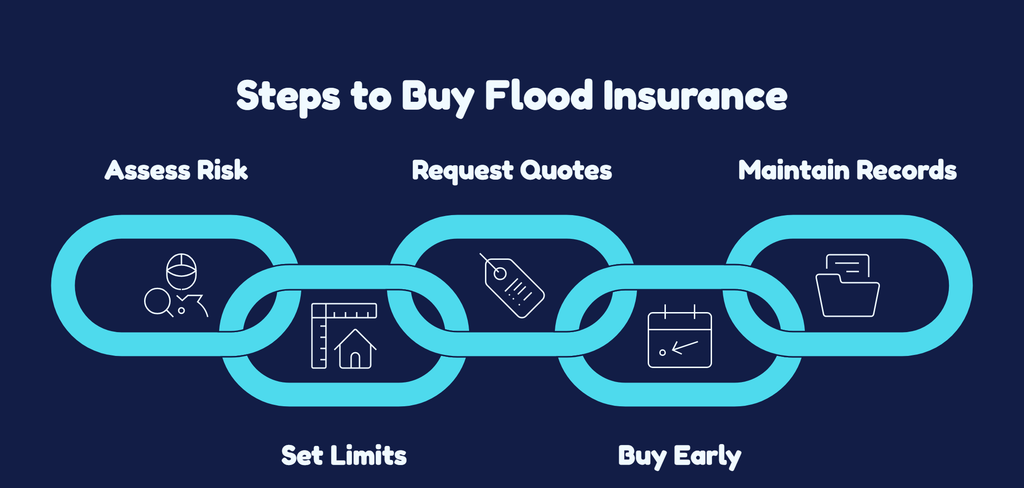
First, find out your flood risk and ask your lender whether a flood policy is required. Second, decide on building and contents limits that match what you would need to rebuild and replace. Third, request at least two or three quotes. Fourth, buy early, because of the waiting period. Finally, keep your homeowners policy and your flood policy documents together, and review both each year, since flood insurance vs homeowners insurance needs change when you renovate, move or refinance.
6. Frequently Asked Questions
Does homeowners insurance cover flood damage?
No. The NAIC says the damage from a flood is not covered under a standard homeowner’s policy, so you need a separate flood policy.
Flood insurance vs homeowners insurance: do I need both?
Most homeowners do. The homeowners policy covers fire, theft and liability, and flood insurance covers rising water, which the homeowners policy leaves out.
Is flood insurance part of homeowners insurance?
No. It is a separate policy, sold through the NFIP or by private insurers. In flood insurance vs homeowners insurance terms, you typically hold both.
Is flood insurance required?
Only in some cases. The FDIC says lenders may require it for a property in a designated flood hazard area. Otherwise it is optional, though many people choose to buy it.
How much flood coverage can I get?
NFIP limits for a home are $250,000 for the building and $100,000 for contents. Private insurers may offer higher limits, according to the NAIC.
How long is the waiting period for flood insurance?
Usually 30 days, with exceptions, according to the FDIC. A policy bought with a loan generally takes effect when the loan closes.
Does flood insurance cover my belongings?
Contents coverage is purchased separately from building coverage, with an NFIP limit of $100,000.
Does homeowners insurance cover a burst pipe?
The FDIC says many homeowner policies might cover water damage from broken pipes. Check your policy, since sewer and drain backup is often excluded unless you add coverage.
Can renters buy flood insurance?
Yes. The NAIC says NFIP flood policies are available to homeowners, renters and businesses.
Do I need flood insurance if I am not in a flood zone?
It may still be worth considering. FEMA’s brochure says more than 20 percent of NFIP claims come from outside high-risk areas.
What is the difference between NFIP and private flood insurance?
The NFIP is federally backed and managed by FEMA. Private policies, according to the NAIC, tend to offer higher limits and optional coverage.
Which is more important, flood insurance vs homeowners insurance?
They do different jobs. A homeowners policy protects against fire, theft and liability, while flood insurance protects against rising water. Most homeowners need both.
How is flood insurance priced?
FEMA says the NFIP considers flood frequency, flood types, distance to flood sources and building details such as the lowest floor height and rebuilding cost.
7. Conclusion
Flood insurance vs homeowners insurance is a question of covering two different kinds of risk. Your homeowners policy handles fire, theft, wind and liability, but a standard policy leaves flood out. Flood coverage from the NFIP or a private insurer fills that gap, with NFIP limits of $250,000 for the building and $100,000 for contents and a waiting period that is usually 30 days.
Check your flood risk, read your exclusions, compare quotes for the same limits, and buy before storm season rather than after. Once you understand flood insurance vs homeowners insurance, the decision is mostly about how much water risk your address carries and how much you could afford to lose.
Disclaimer: This information is provided for general educational purposes only and does not constitute professional insurance, legal, or financial advice. Coverage terms, limits, and availability vary by insurer, location, and individual circumstances and change over time. Always confirm details with a licensed insurance professional before buying a policy.